Custom Specification & Sizing
Worked to your opening in dense Indian bija hardwood — the timber we reach for when the job is a frame, or a main shutter heavy enough to sag on anything lesser. Kiln-dried and finished in our own workshop. Send us the opening sizes and tell us whether the wall is rain-facing so we can specify the section.
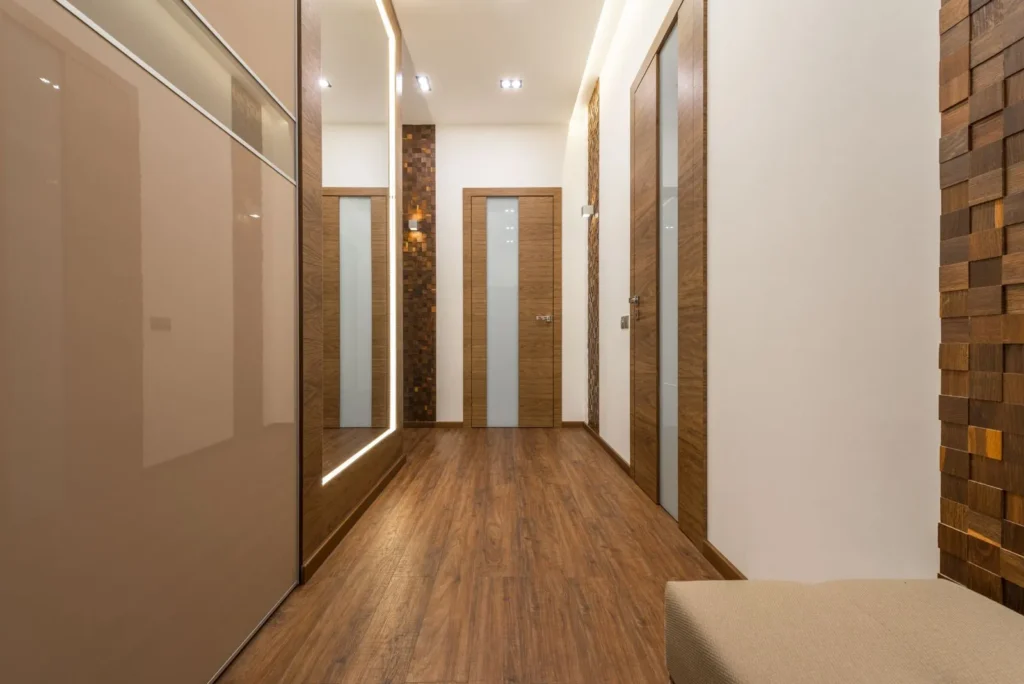
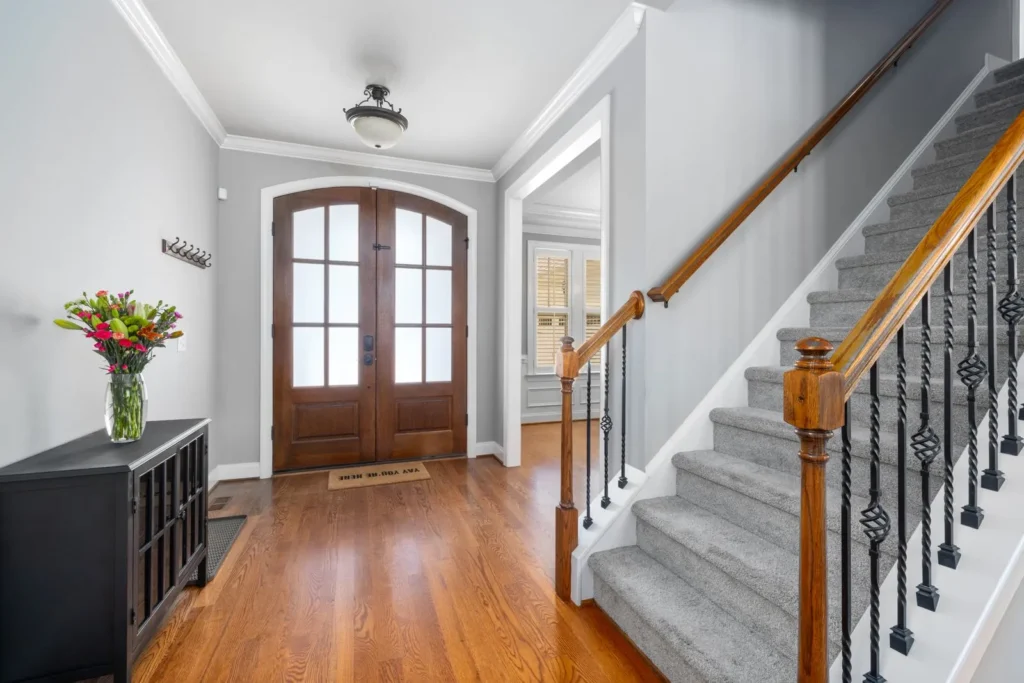
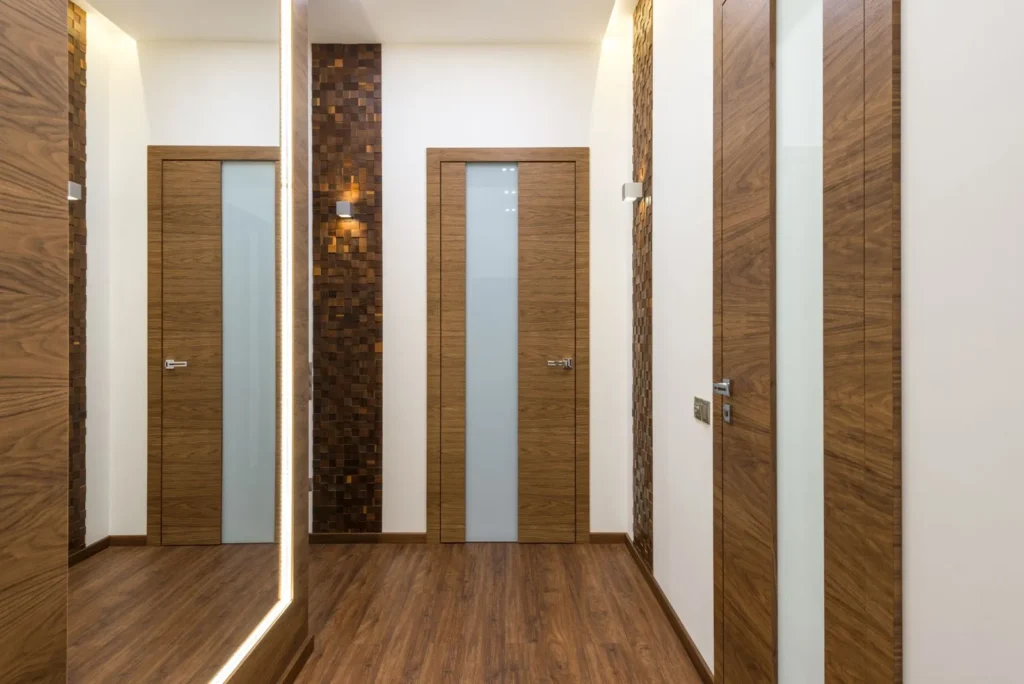
Why bija is the frame timber of choice
Holds a screw harder than teak
Denser and heavier, so hinges and fittings stay where they were set instead of working loose.
Carries its own weight
A heavy main shutter in bija does not drop on the hinge and start fouling the frame.
Handles monsoon humidity
Stands up to rain-facing walls and damp without swelling out of its opening.
Deepens with age
The red-brown heartwood darkens over the years rather than looking tired.
Ideal for use in
Door frames
The primary use — frames for every other shutter.
Main entrances
Heavy shutters that must not sag.
Rain-facing walls
Handles damp without swelling.
Puja rooms
Takes carving in a deeper tone than teak.
External openings
Frames on exposed elevations.
Timber & finishes
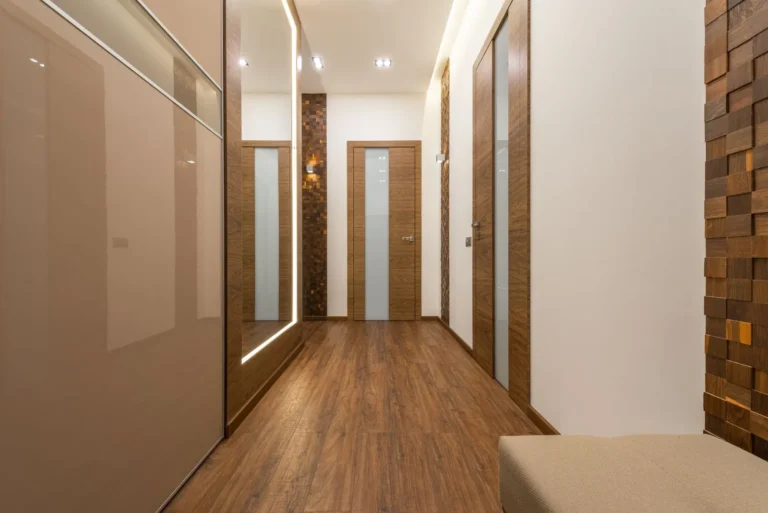
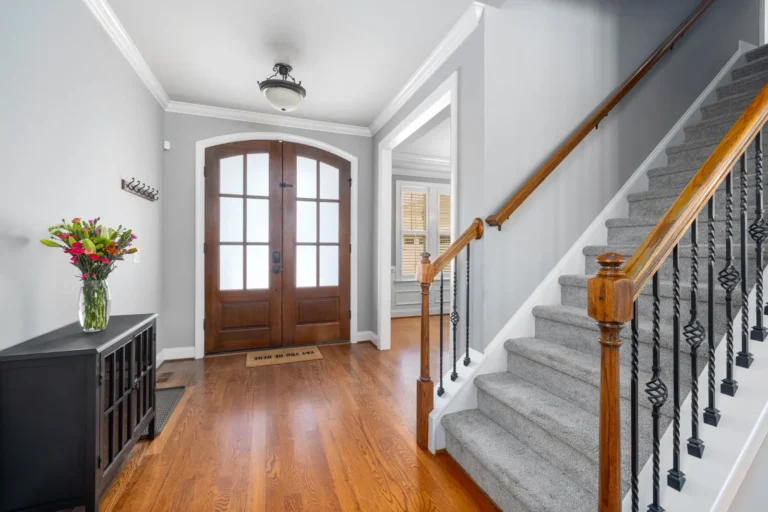
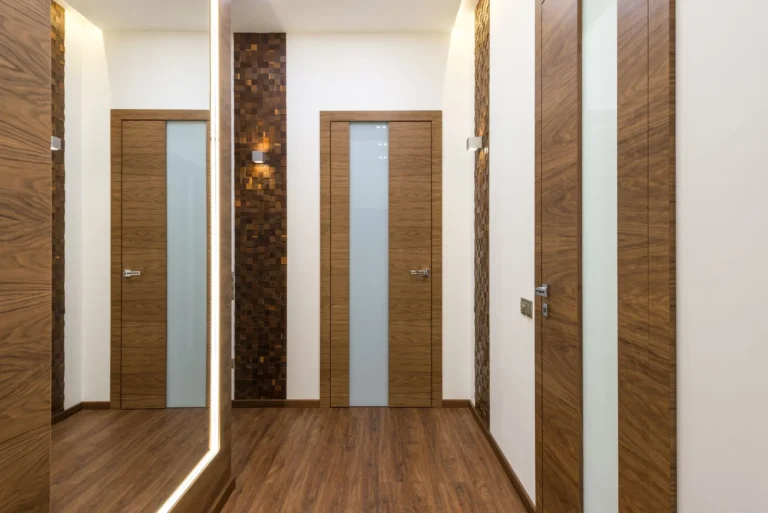
Questions about bija wood
What exactly is bija?
Pterocarpus marsupium — also sold as bijasal or venga. It is a dense Indian hardwood with a deep red-brown heartwood, and it is a genuine hardwood rather than a substitute for one.
Is it cheaper than teak?
Usually, yes, and it is heavier and harder. What it does not do as well is carve, and it does not carry teak's name. That is why the combination we fit most often is a bija frame with a teak shutter.
Can I have the whole door in bija?
Yes, and for a heavy main entrance it is a sound choice. Expect a noticeably heavier leaf, which means specifying the hinges to match — SS 304 ball-bearing rather than pressed.
Will it darken unevenly?
It darkens with light exposure, so a door with one face outdoors will deepen faster on that side. The finish evens it out, and most people prefer the aged tone to the fresh one.