Custom Specification & Sizing
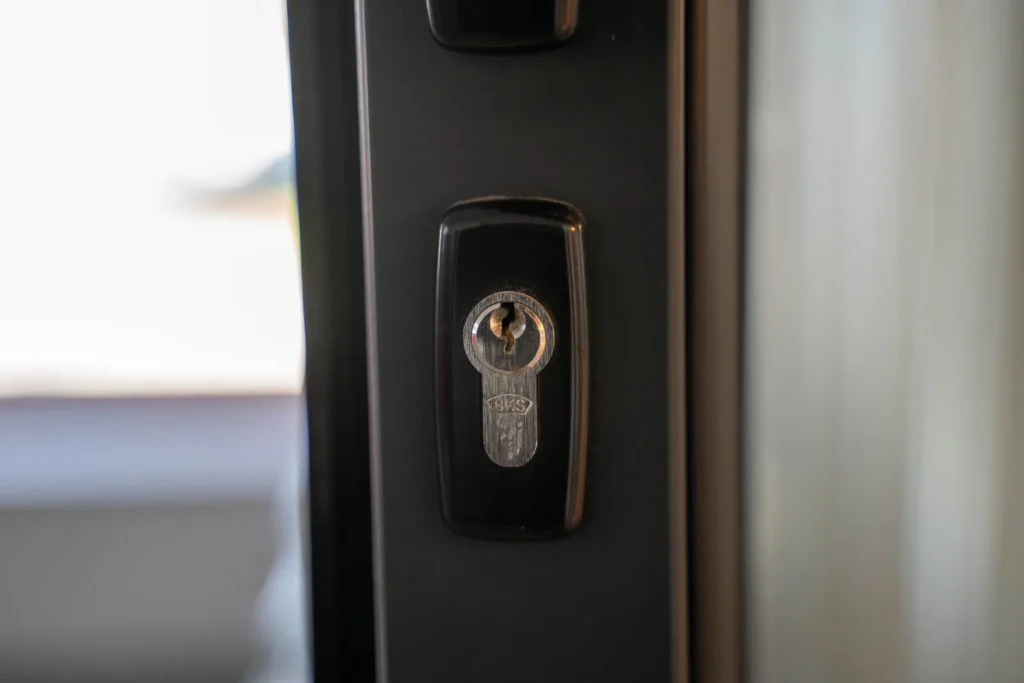
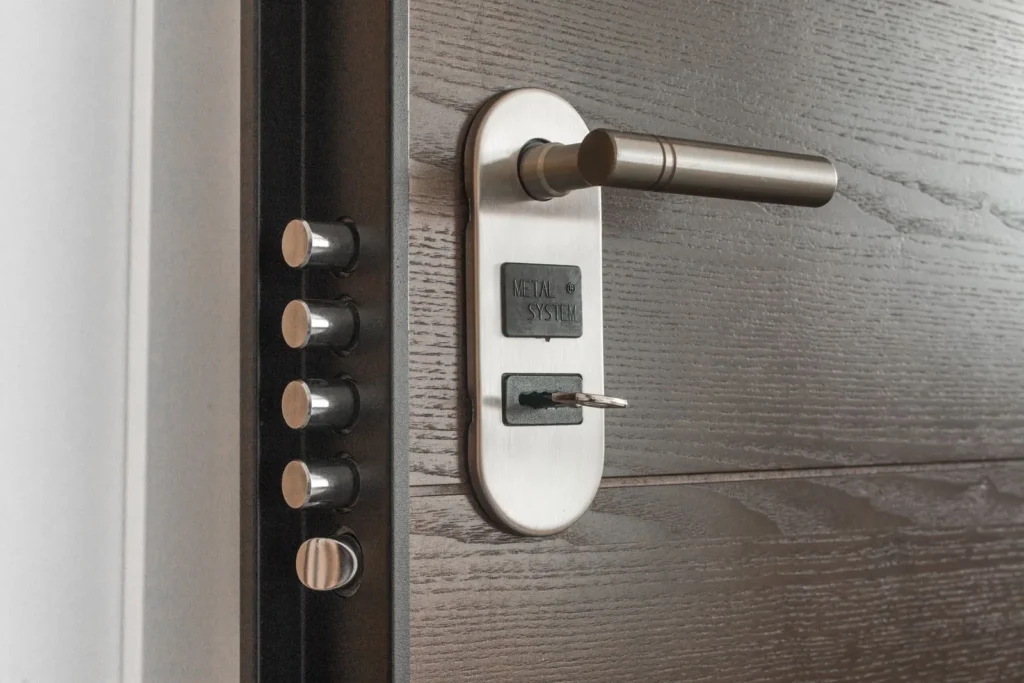
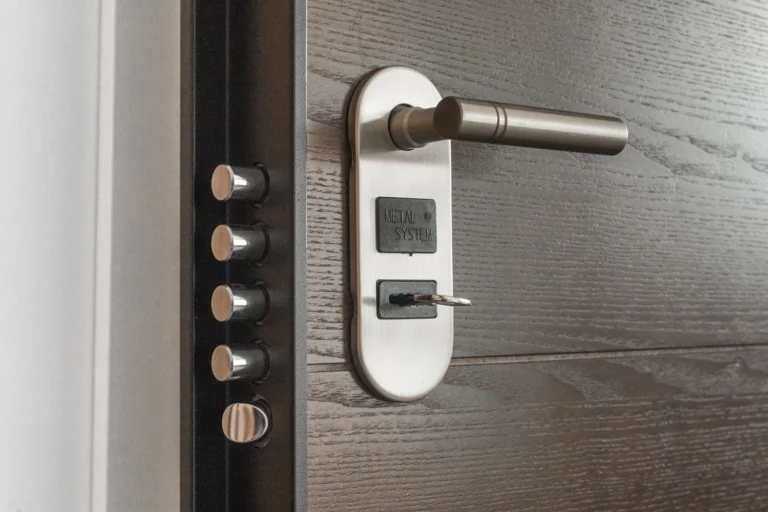
Stocked in solid brass with double-throw deadbolts, computerized dimple keys, anti-drill plates and reversible latch bolts, so one lock suits a left- or right-hand door. Tell us the door thickness and which way it opens and we will confirm the right body and handle set before you buy.
Why a mortice lock is the one worth paying for
Nothing to unscrew from outside
The body sits in a pocket cut into the door edge. There is no face plate on the outside to pry off — that is the whole security argument.
Bolts into solid frame
A double-throw deadbolt drives deep into the frame through solid timber rather than catching on a latch.
Keys that cannot be copied casually
Computerized dimple keys are not cut at a roadside stall, so you know how many keys exist.
Drill-resistant
Anti-drill plates protect the cylinder against the fastest way past a cheap lock.
Lock bodies & finishes
Questions about mortice locks
Is a mortice lock better than a rim lock?
For a main entrance, clearly. A rim lock screws onto the face of the door, so the fixings are reachable from outside. A mortice body is buried in the door edge with nothing exposed. On an internal door a rim latch is fine and cheaper.
Will it weaken my door?
Cutting the pocket removes material, so the door has to be thick enough to take it — which is why we ask the door thickness before quoting. On a solid hardwood shutter it is a non-issue. On a hollow or lightweight door a mortice lock is the wrong fitting.
What is a reversible latch bolt?
It lets one lock serve a left-hand or a right-hand door by flipping the latch rather than needing a different lock for each. It means you can standardise the locks across a house.
Can I get extra keys later?
Yes, but dimple keys have to be cut properly rather than copied locally — that is the point of them. Order the number of keys you need with the lock and tell us if you want more later.
Can it match my doorkit finish?
Yes. Tell us the doorkit finish and we will supply the lock and handle set to match it.